
Rigging & Lifting, Safety & Compliance, Technical Guides
How to Operate a Manual Wire Rope Winch (Cable Puller)
Aug
A manual wire rope winch — sometimes called a cable puller — is the tool to reach for when you need to pull or lift a load over a longer continuous distance than a standard hoist can manage. Instead of a fixed-length chain, it works by clamping onto a length of steel cable and ratcheting it through a pair of internal jaws, so your pulling distance is limited only by how much cable you feed through. Here’s exactly how to set one up and run it safely.
Things You’ll Need
- A wire rope winch rated for your load, with a working load limit (WLL) suited to the job
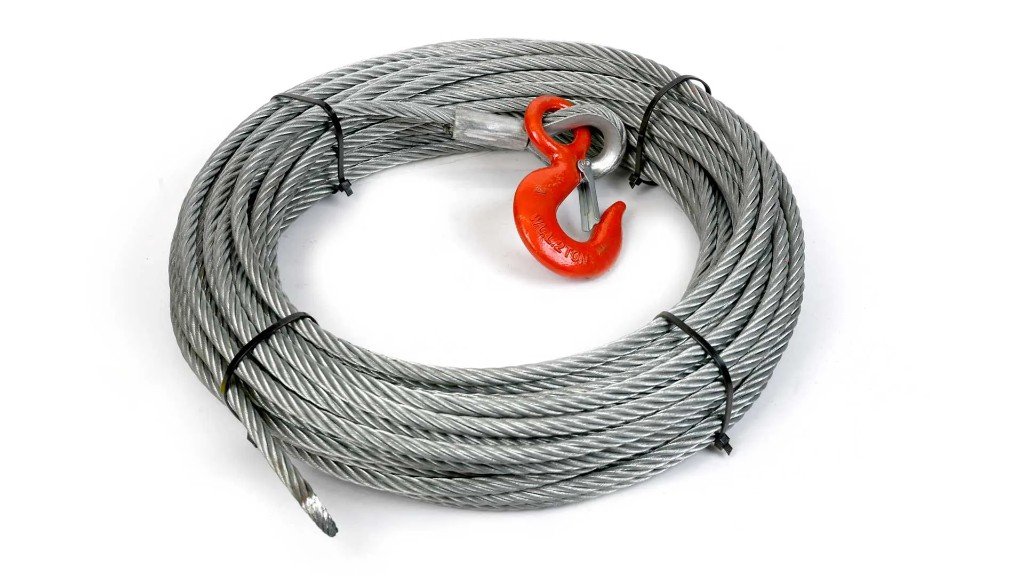
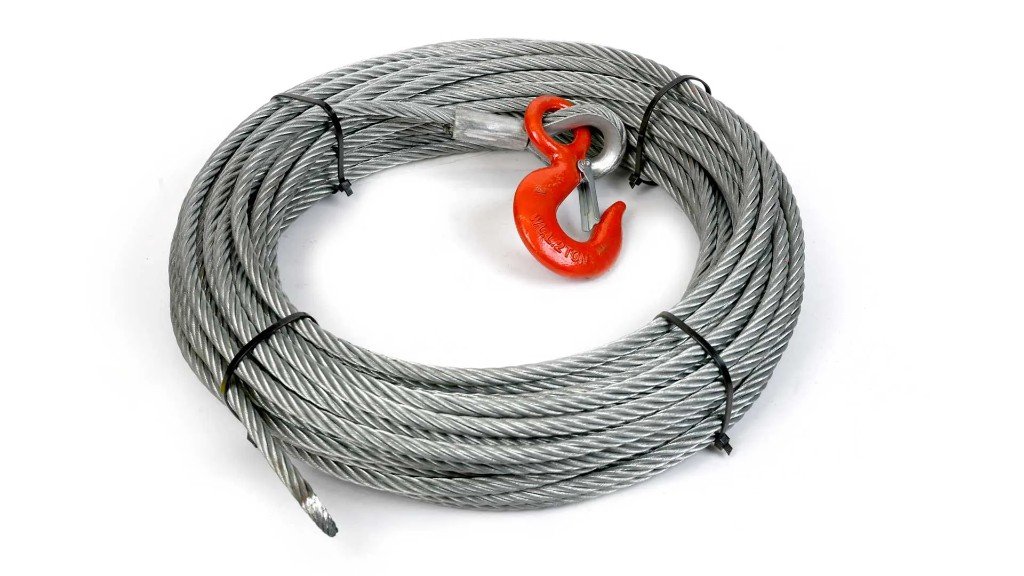
- Correctly sized steel cable or wire rope — ideally with fused, tapered ends, which feed through the jaws far more easily than a plain-cut end
- A secure, rated anchor point for the winch’s load pin
- Rigging (slings, shackles) to connect the winch line to the load — don’t hook the bare cable directly onto the load itself
- Work gloves and general PPE
Step 1: Position the Levers
Before you touch the cable, set up the winch body. Make sure the forward, reverse, and cable-release levers are all pushed back toward the rear of the winch. This resets the internal jaws so you can open them cleanly in the next step.
Step 2: Open the Jaws
Grab the release lever and reverse lever together in one hand. Push both levers forward and down at the same time, until the release lever locks itself into place at the top of the winch body. This opens the internal jaws so the cable can pass through freely.
Step 3: Feed the Cable Through
Insert the tapered end of the wire rope into the jaw opening — the one opposite the load pin side — and feed it through until it comes out the other end. This is where a fused, tapered cable end really earns its keep, since it slides through the jaws much more smoothly than a frayed or blunt-cut end.
Step 4: Take Up the Slack
Pull the cable through by hand to remove any slack between the winch and where it’ll connect to your load. You want the line reasonably taut before you engage the jaws — not tight, just free of loose loops.
Step 5: Close the Jaws on the Cable
Push the release lever back down. This closes the internal jaws firmly around the cable, locking the winch onto the line so it’s ready to pull.
Step 6: Anchor the Winch
Attach the winch’s double-locking load pin to a stationary, rated anchor point. This is what the whole pulling force will react against, so make sure it’s solid — a weak or improvised anchor is one of the most common causes of winching accidents.
Step 7: Pull the Load
Slide the handle onto the lever nearest the load pin, rotate it, and lock it in place. Ratchet the handle forward and back — each stroke draws a bit more cable through the jaws, gradually pulling the load toward the winch. Keep your movements smooth and steady rather than jerky; a sudden yank puts a shock load on the cable that it isn’t designed for.
Step 8: Release the Load in a Controlled Manner
To let the load back out, don’t just pop the jaws open — do it gradually. Slide the handle onto the lever farthest from the load pin and repeat the same ratcheting motion. This releases tension incrementally, one stroke at a time, instead of dumping the whole load at once.
Step 9: Remove the Cable
Once the pull is complete and all tension is released, repeat the same lever procedure you used in Step 2 to open the jaws, then pull the cable free of the winch.
Tips
- Keep the cable clean. Excess grease or debris on the wire rope can foul the internal jaws and cause the winch to slip or bind. Wipe it down periodically, especially in dusty or muddy conditions.
- Any correctly sized cable works, but fused, tapered ends save real time. A plain-cut cable end can be threaded through the jaws too, but a machine-swaged, tapered end goes in far more smoothly and consistently.
- Match the winch to the job. These winches are typically sold across a range of capacities — check the working load limit against your actual pull, not just the breaking strength. Most manual wire rope winches carry a breaking load of roughly 4× their rated WLL, but that margin is a safety factor, not license to load closer to the limit.
- Store the cable wound neatly on a spool when not in use to prevent kinks and tangles that can shorten its life.
Warnings
- Never stand directly in line with a cable under tension. If it fails, it can whip back with serious force — stand to the side of the pull path, not behind or in front of it.
- Inspect the wire rope before every use. Run a rag along its length (carefully, with gloves) — if it catches or snags, that’s a sign of broken strands underneath that aren’t always visible to the eye. Damaged cable should be taken out of service immediately.
- Don’t use the winch cable as your rigging connection to the load. Use appropriate slings or shackles between the winch line and the load itself.
- Don’t exceed the rated working load limit, and where possible, work with a safety margin below it rather than right up against it.
- Confirm your anchor point is rated for the pull. A failed anchor turns the whole system into a hazard in the opposite direction of the load.
Building Your Pulling & Rigging Kit
A manual wire rope winch rarely works in isolation — you’ll usually need rated wire rope and accessories to run through it, along with shackles and hooks to connect it safely to your load and anchor point. If you’re comparing options, our ratchet hand puller range covers this exact category of tool across multiple capacities, and our winch category has broader pulling and lifting options if your job needs something heavier-duty. Everything ships pan-India with GST invoicing — browse the full lifting equipment catalogue or request a bulk quote if you’re speccing gear for a project.
Related guides
Source lifting gear with confidence
380+ industrial products · GST invoicing · Pan-India dispatch · Project & tender pricing
Browse full catalogue ·
Request bulk quote ·
WhatsApp +91 85888 10825
